
My Romantic 10 Day Italy Itinerary for Couples (Tried & Tested)
Italy has been coming up in conversations with my clients a lot lately. Between the buzz around the recent Winter Olympics in Milan and the constant stream of photos people see online, it feels like everyone suddenly has Italy back on their travel list. One of the most common questions I’ve been getting is how to structure a 10-Day Italy Itinerary. For my couples, they want one that feels romantic instead of rushed.
Disclosure: This post may contain affiliate links. Teach Travel Discover is a participant in the Amazon Services LLC Associates Program as well as other affiliate programs. These are designed to provide a means for us to earn fees by linking to Amazon and affiliated sites at no extra cost to you. Please see our Privacy Policy for more details.
Most couples I speak with are planning honeymoons, anniversaries, or a big trip they’ve been talking about for years. Once they decide they want to go, the next challenge is figuring out where to focus their time. Italy has an overwhelming number of incredible places to visit. Trying to see everything in one trip can quickly turn what should be a relaxing vacation into a complicated puzzle.
If you’re planning your first trip, choose a route that balances Italy’s iconic cities with time to slow down and enjoy the experience.
Why a 10-Day Italy Itinerary for Couples Works So Well
Ten days is one of the most realistic timelines couples have for a trip to Italy. It’s long enough to experience several regions without turning the vacation into a constant race between train stations.
The route I recommend most often includes Rome, Florence, Venice, and the Amalfi Coast. Each destination offers something different. Rome delivers the history and iconic landmarks people imagine when they think of Italy. Florence introduces art, Tuscan wine country, and smaller Renaissance streets. Venice offers a setting that feels completely unique. On the other hand, the Amalfi Coast gives couples a few days to slow down and enjoy the scenery.
A helpful way to divide the trip is three nights in Rome, two in Florence or Tuscany, two in Venice, and three on the Amalfi Coast. That pacing gives each place enough time to enjoy it without feeling rushed. Plus, it still leaves room for the slower moments that usually become people’s favorite memories of the trip.
I’ll actually be heading back to Italy myself in March, so it’s been top of mind lately as I revisit the cities and regions I recommend most often to couples planning their first visit.
How to Use This Italy Itinerary for 10 Days
Treat this as a flexible framework rather than a rigid schedule. It covers Rome, Florence, Venice, and the Amalfi Coast. But it still leaves evenings free for long dinners, wandering historic streets, and the kinds of small “oh remember this” moments.

The number one thing to do is to go early! Like, 6 a.m. early, to avoid the biggest crowds at major attractions like the Vatican or the Uffizi Gallery. Then you have afternoons open for slower experiences like wine tastings, sunset views, or simply sitting down for a long lunch.
In my opinion, your easiest (and least time spent in airports) itinerary is simple. I recommend Rome → Florence → Venice → Amalfi Coast. It really will come down to your preference. Some travelers prefer to swap Venice for extra time on the coast, depending on their priorities.
This itinerary is especially popular with couples planning honeymoons or anniversary trips because it balances culture, food, and scenic destinations without turning the trip into a constant race between train stations.
Days 1–2: Milan, an easy starting point in northern Italy
I like starting this trip in Milan and then working south through Italy. It’s actually the exact route I’m doing on my own trip this month. I like it because it keeps the travel simple and lets the scenery build as you go.
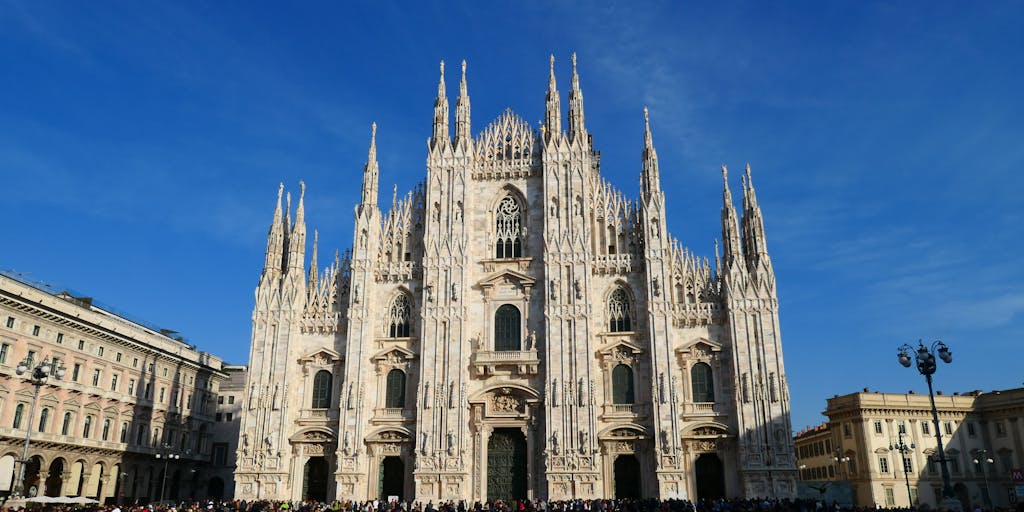
The Duomo di Milano is one of the biggest highlights. It’s a massive cathedral right in the center of the city, and if you have the time, going up to the rooftop terraces is absolutely worth it. You get a completely different view of the city and the detail on the cathedral up close is incredible.
A lot of people want to see Leonardo da Vinci’s Last Supper while they’re here, because yeah. But just know that tickets sell out quickly. If that’s something you want to do, you have to book well in advance. Here is the exact tour I recommend.
Now, my first stop in Milan is going to be a little less historical and a little more fun. I fully plan on visiting the famous Starbucks Reserve Roastery because it’s basically the most over-the-top Starbucks in the world and I want to see it for myself.
And yes, I’m also stopping at the Louis Vuitton store inside the Galleria Vittorio Emanuele II to get my passport stamped. It’s a little travel tradition I’ve started collecting from different destinations and Milan is one of the places that does it.
Even if shopping isn’t your thing, the Galleria itself is worth walking through. It’s one of the most beautiful shopping arcades in Europe . And its a great place to stop for an espresso or aperitivo before dinner.
From here the trip really starts moving. The high-speed train from Milan to Venice takes about two and a half hours. This is the easiest way to go. It also makes the next leg of the journey really easy.
Days 3–4: Venice, canals, quiet corners, and slowing the pace
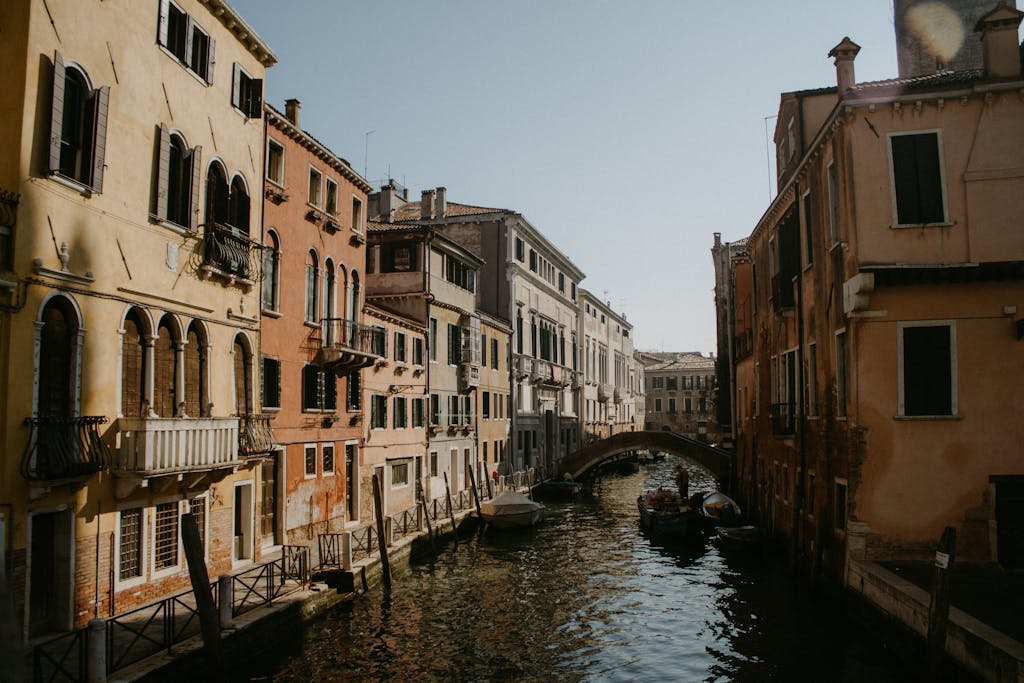
When you step out of the train station and see the Grand Canal for the first time, it immediately feels different from every other city in Italy.
Venice works best when you slow down and stop trying to see everything at once. Two nights is usually the right amount of time. You can see the major sights and still have space to wander.
Start with the classics.
- St. Mark’s Basilica
- The Doge’s Palace
- Piazza San Marco
- Book timed tickets so you don’t spend half your day waiting in lines. See below.
Later in the afternoon, the best thing to do in Venice is simply walk. Cross small bridges, duck into quiet squares, and let yourself get a little lost. The streets are narrow, the buildings lean into the canals, and every few blocks you find a little wine bar or café that looks like it hasn’t changed in decades.
A gondola ride is obviously one of the most famous things to do here. I always recommend doing it toward sunset or in the evening when the crowds start thinning out. It feels much more romantic and a lot less like a tourist conveyor belt.
On your second day, take a half-day trip to Murano and Burano. Murano is known for its glass blowing studios. Burano is a colorful fishing village with houses painted bright blues, yellows, and reds. It’s one of the most photogenic places in the entire country.
For dinner, look for smaller restaurants tucked into quiet canals instead of the ones directly on the main tourist paths. Venice is one of the cities where food can be incredible if you choose well, or very mediocre if you accidentally land in a tourist trap.
After two nights, you’ll be ready to head deeper into Italy.
The train from Venice to Florence takes about two hours and brings you straight into the heart of Tuscany.
Days 5–6: Florence and Tuscany, art, wine, and sunset views
Your train drops you right into the center of the city at Firenze Santa Maria Novella station. Florence is smaller than Rome or Milan, which makes it one of the easiest cities in Italy to explore on foot.
Two nights here is enough time to see the highlights and still escape into the Tuscan countryside for a day.
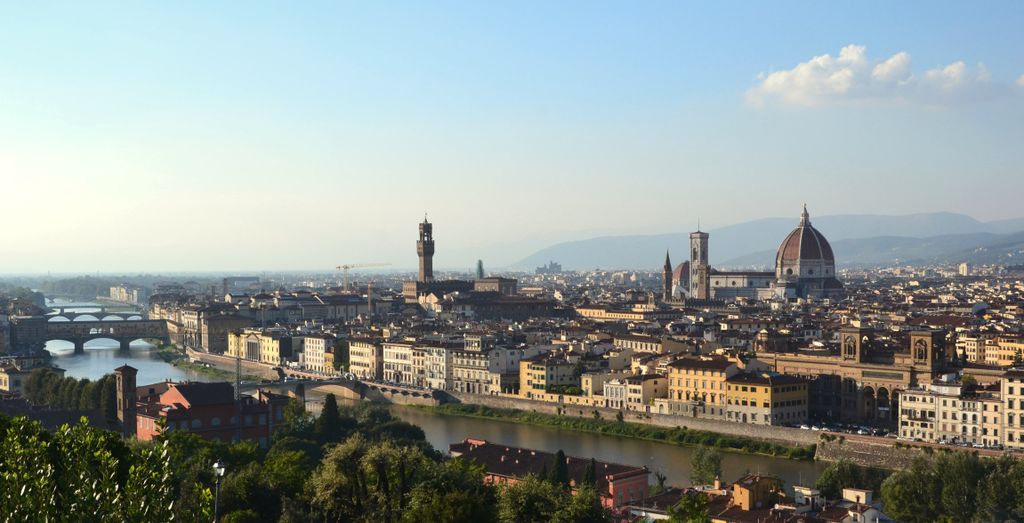
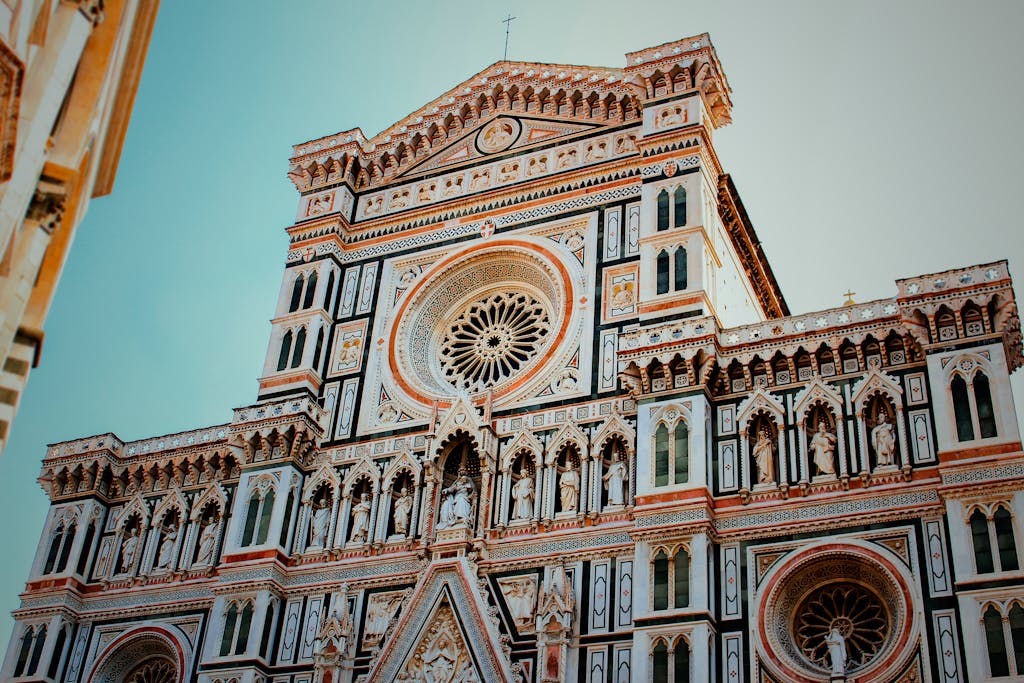
Start your first morning at the Duomo. The first time I was there, it was the first time a structure took my breath away. The cathedral dominates the skyline and the marble detail is even more impressive up close. If you’re up for it, climbing the dome is worth the effort because the view over Florence’s red rooftops is one of the best in Italy.
After that, head to the Uffizi Gallery if you’re interested in Renaissance art. Even people who aren’t huge museum fans usually recognize the works inside. Botticelli’s Birth of Venus and paintings from Leonardo da Vinci and Raphael are all here. Book timed tickets so you don’t waste half the day waiting in line.
Later in the afternoon, walk across Ponte Vecchio and spend time wandering through the small streets around the historic center. You can spend hours just walking and stopping for espresso or gelato along the way.
One of my favorite places to end the day is Piazzale Michelangelo. It sits on a hill above the city and gives you a panoramic view of Florence at sunset. Grab a drink, watch the light hit the rooftops, and take your time before heading back down for dinner.
Your second day is perfect for getting out into Tuscany. This is where the trip shifts from sightseeing to slowing down and enjoying the landscape.
You can take a private wine tour to the Chianti countryside for vineyard visits, cellar tours, and tastings paired with local cheeses and cured meats. Another option is visiting towns like San Gimignano or Siena. I promise it feels like stepping into medieval Italy with stone streets, towers, and small piazzas.
Days 7–8: Rome, history, food, and the iconic sights
From Florence, the high-speed train to Rome takes about an hour and a half. Rome is a busier city than Florence, so it helps to have a loose plan for what you want to see. Please don’t try to cram everything into two days.
Start with the Colosseum and Roman Forum. Booking a guided tour here is worth it because the history becomes a lot more interesting when someone actually explains what you’re looking at. I also love the local guides, they just seeem to know everything! The underground tours are especially good if you want something a little more immersive.
After that, wander toward the Pantheon and Piazza Navona. These areas are packed with cafés and small restaurants, which makes them perfect for a relaxed lunch and people watching.
The Trevi Fountain and Spanish Steps are also nearby. I wish I had a hack to visiting these sites. But they are always crowded. Sometimes you have good luck EARLY. This was me at the top of the steps around 7 am.

Rome is also where food really becomes part of the experience. My husband is a chef, so when we travel the meals are usually the main event. Rome is the perfect city for that because the cuisine is simple but incredibly good when you find the right places. Think cacio e pepe, carbonara, and fresh pasta paired with local wine in small trattorias that have been around for generations.
If you have the energy, schedule a Vatican tour for the next morning. The Vatican Museums and St. Peter’s Basilica are massive, so going early helps you avoid the worst of the crowds. After that, spend the afternoon walking through neighborhoods like Trastevere. It feels more local and relaxed compared to the busier tourist areas.
Two nights in Rome gives you time to see the highlights, enjoy the food, and still leave feeling excited for the final part of the trip.
From here, the itinerary shifts into vacation mode. The next stop is the Amalfi Coast, where the pace slows down and the scenery completely changes.
Days 9–10: Sorrento, Capri, and the Amalfi Coast
The final leg of the trip brings you to southern Italy, where the pace shifts completely. After the museums, churches, and busy streets of the big cities, the Amalfi Coast is where the trip starts to feel like a true vacation.
From Rome, you can take a high-speed train to Naples in a little over an hour and then transfer to Sorrento by private car or ferry. Sorrento makes a great base because it’s easier to reach than many of the Amalfi Coast towns, and it gives you quick access to places like Capri and Positano without constantly packing and unpacking.
The town itself sits high above the sea with views across the Bay of Naples. Spend your first evening wandering through the historic center, grabbing a drink in Piazza Tasso, and settling into a long dinner overlooking the water. Southern Italy tends to move at a slower pace, which makes it the perfect place to end a trip like this.
One of the best things to do from Sorrento is take a boat to Capri. Capri is famous for its dramatic cliffs, clear water, and the Faraglioni rock formations that rise straight out of the sea. Many visitors head to the Blue Grotto, but even just circling the island by boat is worth it for the views.
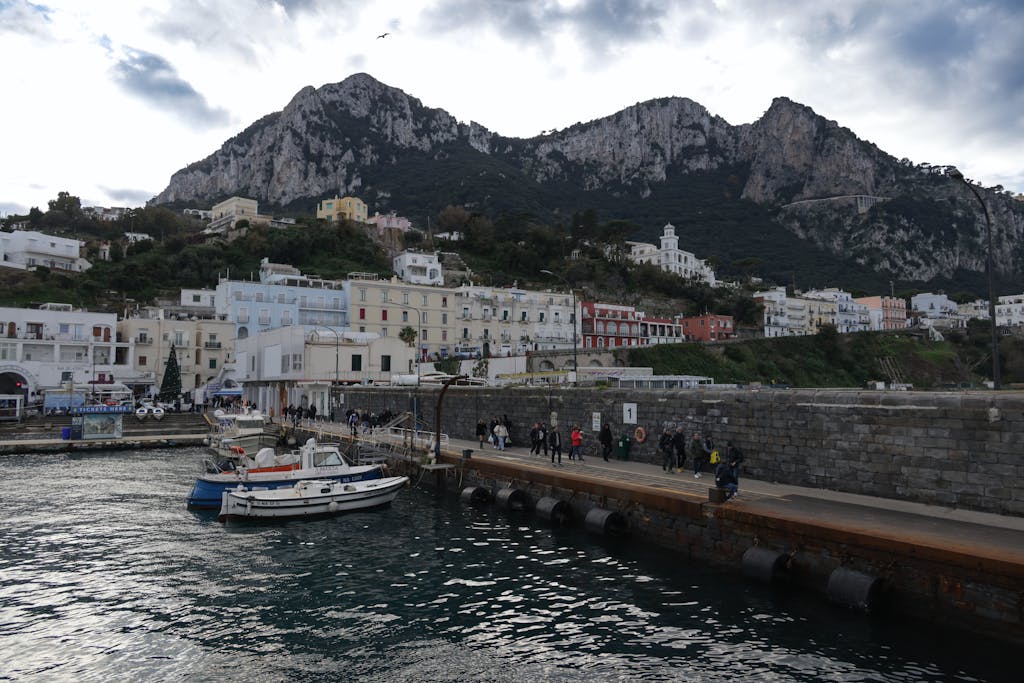
Once on the island, you can take the chairlift up to Monte Solaro in Anacapri for sweeping views of the coastline, wander the small streets lined with boutiques, or simply sit down for lunch overlooking the water.
If you’d rather stay closer to Sorrento, you can also spend the day exploring other Amalfi Coast towns like Positano or Ravello. Positano is the one most people recognize from photos, with pastel buildings stacked along the cliffs, while Ravello sits higher in the hills with incredible gardens and panoramic terraces.
Sorrento also makes departures easy because you’re only about an hour from Naples Airport, which is why many travelers end their itinerary here before heading home.
Final thoughts on planning a 10-day Italy itinerary for couples
Ten days in Italy goes quickly, which is why the order of cities really matters. Starting in the north and working south keeps travel time efficient while letting the scenery evolve from cosmopolitan cities to countryside vineyards and finally to the coastline.
This route also balances culture, food, and relaxation without turning the trip into a checklist of landmarks. You get the history of Rome, the art of Florence, the canals of Venice, and the coastal beauty of southern Italy all in one trip.
If you’re planning something similar for a honeymoon or anniversary trip, the biggest difference between a good itinerary and a great one usually comes down to timing, hotel location, and making sure the travel days actually work. High-speed trains, well-placed hotels, and a few key reservations can save hours of stress once you’re on the ground.
And if you’d rather not spend weeks piecing everything together yourself, this is exactly the kind of trip I help couples plan. From choosing the right hotels to arranging transfers, tours, and restaurant reservations, I turn a rough outline like this into a seamless itinerary so you can focus on enjoying Italy instead of coordinating it.